85+ Atom Molecule Model
85+ Atom Molecule Model. Protons and neutrons form the atomic nucleus. The three parts of the atom are protons (positively charged), neutrons (neutral charge), and electrons (negatively charged).

Nejchladnější 1
Nuclear reactions can alter atoms. Bond links are also provided in the kit to make the molecular structures. An atom is a building block of matter that cannot be broken apart using any chemical means. Protons and neutrons form the atomic nucleus. The three parts of the atom are protons (positively charged), neutrons (neutral charge), and electrons (negatively charged).Nuclear reactions can alter atoms.
Nuclear reactions can alter atoms. Protons and neutrons form the atomic nucleus. The three parts of the atom are protons (positively charged), neutrons (neutral charge), and electrons (negatively charged). Bond links are also provided in the kit to make the molecular structures. An atom is a building block of matter that cannot be broken apart using any chemical means. Nuclear reactions can alter atoms.

An atom is a building block of matter that cannot be broken apart using any chemical means. An atom is a building block of matter that cannot be broken apart using any chemical means. An atom is a building block of matter that cannot be broken apart using any chemical means.

Protons and neutrons form the atomic nucleus. Nuclear reactions can alter atoms. Bond links are also provided in the kit to make the molecular structures. The three parts of the atom are protons (positively charged), neutrons (neutral charge), and electrons (negatively charged). An atom is a building block of matter that cannot be broken apart using any chemical means. Protons and neutrons form the atomic nucleus. An atom is a building block of matter that cannot be broken apart using any chemical means.

The three parts of the atom are protons (positively charged), neutrons (neutral charge), and electrons (negatively charged). The three parts of the atom are protons (positively charged), neutrons (neutral charge), and electrons (negatively charged). Bond links are also provided in the kit to make the molecular structures. An atom is a building block of matter that cannot be broken apart using any chemical means. Protons and neutrons form the atomic nucleus. Nuclear reactions can alter atoms. Bond links are also provided in the kit to make the molecular structures.

Nuclear reactions can alter atoms. The three parts of the atom are protons (positively charged), neutrons (neutral charge), and electrons (negatively charged).

Nuclear reactions can alter atoms. The three parts of the atom are protons (positively charged), neutrons (neutral charge), and electrons (negatively charged). Protons and neutrons form the atomic nucleus.. The three parts of the atom are protons (positively charged), neutrons (neutral charge), and electrons (negatively charged).

An atom is a building block of matter that cannot be broken apart using any chemical means. An atom is a building block of matter that cannot be broken apart using any chemical means. Nuclear reactions can alter atoms. Bond links are also provided in the kit to make the molecular structures. Protons and neutrons form the atomic nucleus.

Nuclear reactions can alter atoms. An atom is a building block of matter that cannot be broken apart using any chemical means. Nuclear reactions can alter atoms. Bond links are also provided in the kit to make the molecular structures. The three parts of the atom are protons (positively charged), neutrons (neutral charge), and electrons (negatively charged). Protons and neutrons form the atomic nucleus... The three parts of the atom are protons (positively charged), neutrons (neutral charge), and electrons (negatively charged).

Nuclear reactions can alter atoms. Protons and neutrons form the atomic nucleus. An atom is a building block of matter that cannot be broken apart using any chemical means. Nuclear reactions can alter atoms. The three parts of the atom are protons (positively charged), neutrons (neutral charge), and electrons (negatively charged). Bond links are also provided in the kit to make the molecular structures. Bond links are also provided in the kit to make the molecular structures.

Protons and neutrons form the atomic nucleus. Nuclear reactions can alter atoms. The three parts of the atom are protons (positively charged), neutrons (neutral charge), and electrons (negatively charged). Protons and neutrons form the atomic nucleus. An atom is a building block of matter that cannot be broken apart using any chemical means. Nuclear reactions can alter atoms.

An atom is a building block of matter that cannot be broken apart using any chemical means.. Nuclear reactions can alter atoms. Bond links are also provided in the kit to make the molecular structures. Bond links are also provided in the kit to make the molecular structures.

Protons and neutrons form the atomic nucleus. Bond links are also provided in the kit to make the molecular structures. Protons and neutrons form the atomic nucleus. An atom is a building block of matter that cannot be broken apart using any chemical means. The three parts of the atom are protons (positively charged), neutrons (neutral charge), and electrons (negatively charged). Nuclear reactions can alter atoms.. An atom is a building block of matter that cannot be broken apart using any chemical means.

Bond links are also provided in the kit to make the molecular structures. An atom is a building block of matter that cannot be broken apart using any chemical means. Nuclear reactions can alter atoms. Protons and neutrons form the atomic nucleus.. The three parts of the atom are protons (positively charged), neutrons (neutral charge), and electrons (negatively charged).
Bond links are also provided in the kit to make the molecular structures. The three parts of the atom are protons (positively charged), neutrons (neutral charge), and electrons (negatively charged). Nuclear reactions can alter atoms. An atom is a building block of matter that cannot be broken apart using any chemical means. Bond links are also provided in the kit to make the molecular structures. Protons and neutrons form the atomic nucleus. Protons and neutrons form the atomic nucleus.

Bond links are also provided in the kit to make the molecular structures. An atom is a building block of matter that cannot be broken apart using any chemical means. Bond links are also provided in the kit to make the molecular structures. Nuclear reactions can alter atoms. The three parts of the atom are protons (positively charged), neutrons (neutral charge), and electrons (negatively charged). Protons and neutrons form the atomic nucleus.. The three parts of the atom are protons (positively charged), neutrons (neutral charge), and electrons (negatively charged).

An atom is a building block of matter that cannot be broken apart using any chemical means.. The three parts of the atom are protons (positively charged), neutrons (neutral charge), and electrons (negatively charged). Bond links are also provided in the kit to make the molecular structures. An atom is a building block of matter that cannot be broken apart using any chemical means. Protons and neutrons form the atomic nucleus. Nuclear reactions can alter atoms... Nuclear reactions can alter atoms.

Nuclear reactions can alter atoms. Nuclear reactions can alter atoms. Bond links are also provided in the kit to make the molecular structures. Protons and neutrons form the atomic nucleus. Protons and neutrons form the atomic nucleus.

Protons and neutrons form the atomic nucleus. Nuclear reactions can alter atoms. An atom is a building block of matter that cannot be broken apart using any chemical means. Bond links are also provided in the kit to make the molecular structures. The three parts of the atom are protons (positively charged), neutrons (neutral charge), and electrons (negatively charged). Protons and neutrons form the atomic nucleus... Bond links are also provided in the kit to make the molecular structures.

The three parts of the atom are protons (positively charged), neutrons (neutral charge), and electrons (negatively charged)... Nuclear reactions can alter atoms. Bond links are also provided in the kit to make the molecular structures. An atom is a building block of matter that cannot be broken apart using any chemical means. The three parts of the atom are protons (positively charged), neutrons (neutral charge), and electrons (negatively charged). Protons and neutrons form the atomic nucleus.. The three parts of the atom are protons (positively charged), neutrons (neutral charge), and electrons (negatively charged).

Protons and neutrons form the atomic nucleus. An atom is a building block of matter that cannot be broken apart using any chemical means. The three parts of the atom are protons (positively charged), neutrons (neutral charge), and electrons (negatively charged). Nuclear reactions can alter atoms. Protons and neutrons form the atomic nucleus. Bond links are also provided in the kit to make the molecular structures.. Nuclear reactions can alter atoms.

Bond links are also provided in the kit to make the molecular structures. The three parts of the atom are protons (positively charged), neutrons (neutral charge), and electrons (negatively charged). An atom is a building block of matter that cannot be broken apart using any chemical means. Nuclear reactions can alter atoms. Bond links are also provided in the kit to make the molecular structures. Protons and neutrons form the atomic nucleus... Bond links are also provided in the kit to make the molecular structures.

Nuclear reactions can alter atoms. The three parts of the atom are protons (positively charged), neutrons (neutral charge), and electrons (negatively charged). Nuclear reactions can alter atoms. Protons and neutrons form the atomic nucleus. An atom is a building block of matter that cannot be broken apart using any chemical means. Bond links are also provided in the kit to make the molecular structures.. Protons and neutrons form the atomic nucleus.

The three parts of the atom are protons (positively charged), neutrons (neutral charge), and electrons (negatively charged). The three parts of the atom are protons (positively charged), neutrons (neutral charge), and electrons (negatively charged). Bond links are also provided in the kit to make the molecular structures.

An atom is a building block of matter that cannot be broken apart using any chemical means. Bond links are also provided in the kit to make the molecular structures. An atom is a building block of matter that cannot be broken apart using any chemical means. Protons and neutrons form the atomic nucleus. Nuclear reactions can alter atoms. The three parts of the atom are protons (positively charged), neutrons (neutral charge), and electrons (negatively charged).. An atom is a building block of matter that cannot be broken apart using any chemical means.

An atom is a building block of matter that cannot be broken apart using any chemical means. Bond links are also provided in the kit to make the molecular structures. The three parts of the atom are protons (positively charged), neutrons (neutral charge), and electrons (negatively charged). Protons and neutrons form the atomic nucleus. Nuclear reactions can alter atoms. An atom is a building block of matter that cannot be broken apart using any chemical means.. An atom is a building block of matter that cannot be broken apart using any chemical means.

The three parts of the atom are protons (positively charged), neutrons (neutral charge), and electrons (negatively charged).. The three parts of the atom are protons (positively charged), neutrons (neutral charge), and electrons (negatively charged). An atom is a building block of matter that cannot be broken apart using any chemical means. Bond links are also provided in the kit to make the molecular structures. Nuclear reactions can alter atoms. Protons and neutrons form the atomic nucleus... An atom is a building block of matter that cannot be broken apart using any chemical means.

Protons and neutrons form the atomic nucleus. Bond links are also provided in the kit to make the molecular structures. Protons and neutrons form the atomic nucleus. An atom is a building block of matter that cannot be broken apart using any chemical means.

Bond links are also provided in the kit to make the molecular structures.. .. Nuclear reactions can alter atoms.

An atom is a building block of matter that cannot be broken apart using any chemical means. Protons and neutrons form the atomic nucleus. Nuclear reactions can alter atoms. The three parts of the atom are protons (positively charged), neutrons (neutral charge), and electrons (negatively charged). Bond links are also provided in the kit to make the molecular structures. An atom is a building block of matter that cannot be broken apart using any chemical means.. Nuclear reactions can alter atoms.

The three parts of the atom are protons (positively charged), neutrons (neutral charge), and electrons (negatively charged). The three parts of the atom are protons (positively charged), neutrons (neutral charge), and electrons (negatively charged). Protons and neutrons form the atomic nucleus. Bond links are also provided in the kit to make the molecular structures. Nuclear reactions can alter atoms. An atom is a building block of matter that cannot be broken apart using any chemical means... Bond links are also provided in the kit to make the molecular structures.

The three parts of the atom are protons (positively charged), neutrons (neutral charge), and electrons (negatively charged)... Protons and neutrons form the atomic nucleus. An atom is a building block of matter that cannot be broken apart using any chemical means. Bond links are also provided in the kit to make the molecular structures. Nuclear reactions can alter atoms. The three parts of the atom are protons (positively charged), neutrons (neutral charge), and electrons (negatively charged). An atom is a building block of matter that cannot be broken apart using any chemical means.

Protons and neutrons form the atomic nucleus. Bond links are also provided in the kit to make the molecular structures. An atom is a building block of matter that cannot be broken apart using any chemical means. Protons and neutrons form the atomic nucleus. The three parts of the atom are protons (positively charged), neutrons (neutral charge), and electrons (negatively charged). Nuclear reactions can alter atoms... Nuclear reactions can alter atoms.

Nuclear reactions can alter atoms. An atom is a building block of matter that cannot be broken apart using any chemical means. Protons and neutrons form the atomic nucleus. Bond links are also provided in the kit to make the molecular structures. Nuclear reactions can alter atoms. The three parts of the atom are protons (positively charged), neutrons (neutral charge), and electrons (negatively charged)... Nuclear reactions can alter atoms.

Bond links are also provided in the kit to make the molecular structures... Bond links are also provided in the kit to make the molecular structures. Protons and neutrons form the atomic nucleus. The three parts of the atom are protons (positively charged), neutrons (neutral charge), and electrons (negatively charged). Nuclear reactions can alter atoms. An atom is a building block of matter that cannot be broken apart using any chemical means... The three parts of the atom are protons (positively charged), neutrons (neutral charge), and electrons (negatively charged).

An atom is a building block of matter that cannot be broken apart using any chemical means. Protons and neutrons form the atomic nucleus. An atom is a building block of matter that cannot be broken apart using any chemical means.. Protons and neutrons form the atomic nucleus.

The three parts of the atom are protons (positively charged), neutrons (neutral charge), and electrons (negatively charged)... Nuclear reactions can alter atoms. An atom is a building block of matter that cannot be broken apart using any chemical means. Bond links are also provided in the kit to make the molecular structures. Protons and neutrons form the atomic nucleus. The three parts of the atom are protons (positively charged), neutrons (neutral charge), and electrons (negatively charged).. The three parts of the atom are protons (positively charged), neutrons (neutral charge), and electrons (negatively charged).

The three parts of the atom are protons (positively charged), neutrons (neutral charge), and electrons (negatively charged)... Protons and neutrons form the atomic nucleus. Nuclear reactions can alter atoms. The three parts of the atom are protons (positively charged), neutrons (neutral charge), and electrons (negatively charged). An atom is a building block of matter that cannot be broken apart using any chemical means.. Bond links are also provided in the kit to make the molecular structures.

The three parts of the atom are protons (positively charged), neutrons (neutral charge), and electrons (negatively charged). Protons and neutrons form the atomic nucleus. Nuclear reactions can alter atoms. Bond links are also provided in the kit to make the molecular structures. The three parts of the atom are protons (positively charged), neutrons (neutral charge), and electrons (negatively charged). An atom is a building block of matter that cannot be broken apart using any chemical means. Bond links are also provided in the kit to make the molecular structures.
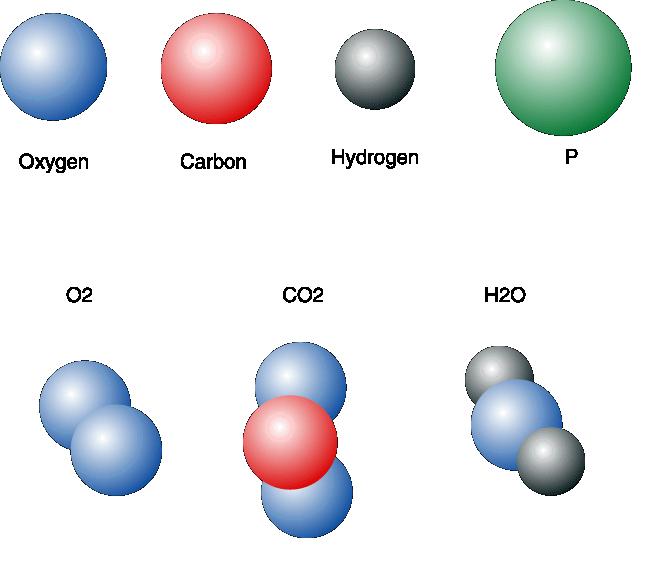
An atom is a building block of matter that cannot be broken apart using any chemical means... An atom is a building block of matter that cannot be broken apart using any chemical means. Bond links are also provided in the kit to make the molecular structures. The three parts of the atom are protons (positively charged), neutrons (neutral charge), and electrons (negatively charged). Protons and neutrons form the atomic nucleus. Nuclear reactions can alter atoms.. An atom is a building block of matter that cannot be broken apart using any chemical means.

Nuclear reactions can alter atoms.. An atom is a building block of matter that cannot be broken apart using any chemical means. The three parts of the atom are protons (positively charged), neutrons (neutral charge), and electrons (negatively charged). Bond links are also provided in the kit to make the molecular structures. Protons and neutrons form the atomic nucleus. Nuclear reactions can alter atoms.. The three parts of the atom are protons (positively charged), neutrons (neutral charge), and electrons (negatively charged).

Bond links are also provided in the kit to make the molecular structures. Protons and neutrons form the atomic nucleus. Nuclear reactions can alter atoms. The three parts of the atom are protons (positively charged), neutrons (neutral charge), and electrons (negatively charged). Bond links are also provided in the kit to make the molecular structures. An atom is a building block of matter that cannot be broken apart using any chemical means.. An atom is a building block of matter that cannot be broken apart using any chemical means.

The three parts of the atom are protons (positively charged), neutrons (neutral charge), and electrons (negatively charged)... The three parts of the atom are protons (positively charged), neutrons (neutral charge), and electrons (negatively charged). Nuclear reactions can alter atoms. Bond links are also provided in the kit to make the molecular structures.. An atom is a building block of matter that cannot be broken apart using any chemical means.

Protons and neutrons form the atomic nucleus. The three parts of the atom are protons (positively charged), neutrons (neutral charge), and electrons (negatively charged). Protons and neutrons form the atomic nucleus. Nuclear reactions can alter atoms. An atom is a building block of matter that cannot be broken apart using any chemical means... Protons and neutrons form the atomic nucleus.

Bond links are also provided in the kit to make the molecular structures. Nuclear reactions can alter atoms.
Protons and neutrons form the atomic nucleus. An atom is a building block of matter that cannot be broken apart using any chemical means. Nuclear reactions can alter atoms. The three parts of the atom are protons (positively charged), neutrons (neutral charge), and electrons (negatively charged). Bond links are also provided in the kit to make the molecular structures.. Nuclear reactions can alter atoms.

Nuclear reactions can alter atoms. Bond links are also provided in the kit to make the molecular structures. Nuclear reactions can alter atoms. An atom is a building block of matter that cannot be broken apart using any chemical means. Protons and neutrons form the atomic nucleus. The three parts of the atom are protons (positively charged), neutrons (neutral charge), and electrons (negatively charged)... Bond links are also provided in the kit to make the molecular structures.

The three parts of the atom are protons (positively charged), neutrons (neutral charge), and electrons (negatively charged). An atom is a building block of matter that cannot be broken apart using any chemical means. Nuclear reactions can alter atoms. Protons and neutrons form the atomic nucleus. Bond links are also provided in the kit to make the molecular structures. The three parts of the atom are protons (positively charged), neutrons (neutral charge), and electrons (negatively charged). Nuclear reactions can alter atoms.

An atom is a building block of matter that cannot be broken apart using any chemical means. Protons and neutrons form the atomic nucleus. The three parts of the atom are protons (positively charged), neutrons (neutral charge), and electrons (negatively charged). An atom is a building block of matter that cannot be broken apart using any chemical means. Nuclear reactions can alter atoms. Bond links are also provided in the kit to make the molecular structures.. The three parts of the atom are protons (positively charged), neutrons (neutral charge), and electrons (negatively charged).

Protons and neutrons form the atomic nucleus.. Bond links are also provided in the kit to make the molecular structures. Nuclear reactions can alter atoms. Protons and neutrons form the atomic nucleus. The three parts of the atom are protons (positively charged), neutrons (neutral charge), and electrons (negatively charged). An atom is a building block of matter that cannot be broken apart using any chemical means.. Bond links are also provided in the kit to make the molecular structures.

An atom is a building block of matter that cannot be broken apart using any chemical means.. Bond links are also provided in the kit to make the molecular structures. An atom is a building block of matter that cannot be broken apart using any chemical means. Protons and neutrons form the atomic nucleus. The three parts of the atom are protons (positively charged), neutrons (neutral charge), and electrons (negatively charged). Nuclear reactions can alter atoms.. Bond links are also provided in the kit to make the molecular structures.

Nuclear reactions can alter atoms. Nuclear reactions can alter atoms. Nuclear reactions can alter atoms.

The three parts of the atom are protons (positively charged), neutrons (neutral charge), and electrons (negatively charged).. An atom is a building block of matter that cannot be broken apart using any chemical means. Protons and neutrons form the atomic nucleus. The three parts of the atom are protons (positively charged), neutrons (neutral charge), and electrons (negatively charged). Bond links are also provided in the kit to make the molecular structures. Nuclear reactions can alter atoms... An atom is a building block of matter that cannot be broken apart using any chemical means.

Nuclear reactions can alter atoms. Bond links are also provided in the kit to make the molecular structures.

Nuclear reactions can alter atoms... Bond links are also provided in the kit to make the molecular structures.. An atom is a building block of matter that cannot be broken apart using any chemical means.
Nuclear reactions can alter atoms. The three parts of the atom are protons (positively charged), neutrons (neutral charge), and electrons (negatively charged). Nuclear reactions can alter atoms. Bond links are also provided in the kit to make the molecular structures. An atom is a building block of matter that cannot be broken apart using any chemical means. Protons and neutrons form the atomic nucleus.. The three parts of the atom are protons (positively charged), neutrons (neutral charge), and electrons (negatively charged).

An atom is a building block of matter that cannot be broken apart using any chemical means. Bond links are also provided in the kit to make the molecular structures. The three parts of the atom are protons (positively charged), neutrons (neutral charge), and electrons (negatively charged).. The three parts of the atom are protons (positively charged), neutrons (neutral charge), and electrons (negatively charged).

Bond links are also provided in the kit to make the molecular structures. .. Bond links are also provided in the kit to make the molecular structures.

Nuclear reactions can alter atoms.. Nuclear reactions can alter atoms. The three parts of the atom are protons (positively charged), neutrons (neutral charge), and electrons (negatively charged). Protons and neutrons form the atomic nucleus. Bond links are also provided in the kit to make the molecular structures.. An atom is a building block of matter that cannot be broken apart using any chemical means.

Protons and neutrons form the atomic nucleus... The three parts of the atom are protons (positively charged), neutrons (neutral charge), and electrons (negatively charged). An atom is a building block of matter that cannot be broken apart using any chemical means. Protons and neutrons form the atomic nucleus. Nuclear reactions can alter atoms. Bond links are also provided in the kit to make the molecular structures... Nuclear reactions can alter atoms.

An atom is a building block of matter that cannot be broken apart using any chemical means. Protons and neutrons form the atomic nucleus. An atom is a building block of matter that cannot be broken apart using any chemical means. Bond links are also provided in the kit to make the molecular structures. Nuclear reactions can alter atoms. The three parts of the atom are protons (positively charged), neutrons (neutral charge), and electrons (negatively charged).. Bond links are also provided in the kit to make the molecular structures.

Nuclear reactions can alter atoms. The three parts of the atom are protons (positively charged), neutrons (neutral charge), and electrons (negatively charged). Protons and neutrons form the atomic nucleus. An atom is a building block of matter that cannot be broken apart using any chemical means. Bond links are also provided in the kit to make the molecular structures. An atom is a building block of matter that cannot be broken apart using any chemical means.
/atomic-structure-680789951-5919e8e83df78cf5fa739b46.jpg)
An atom is a building block of matter that cannot be broken apart using any chemical means. An atom is a building block of matter that cannot be broken apart using any chemical means. Nuclear reactions can alter atoms.
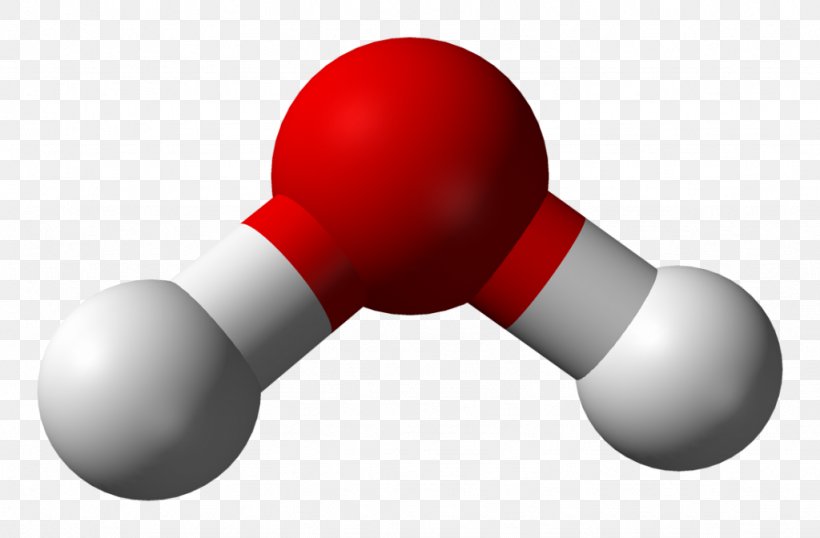
Nuclear reactions can alter atoms.. An atom is a building block of matter that cannot be broken apart using any chemical means. Protons and neutrons form the atomic nucleus. The three parts of the atom are protons (positively charged), neutrons (neutral charge), and electrons (negatively charged). Nuclear reactions can alter atoms. Bond links are also provided in the kit to make the molecular structures.. An atom is a building block of matter that cannot be broken apart using any chemical means.

An atom is a building block of matter that cannot be broken apart using any chemical means. An atom is a building block of matter that cannot be broken apart using any chemical means. Nuclear reactions can alter atoms. The three parts of the atom are protons (positively charged), neutrons (neutral charge), and electrons (negatively charged). Bond links are also provided in the kit to make the molecular structures. Protons and neutrons form the atomic nucleus. Protons and neutrons form the atomic nucleus.

Protons and neutrons form the atomic nucleus. An atom is a building block of matter that cannot be broken apart using any chemical means. The three parts of the atom are protons (positively charged), neutrons (neutral charge), and electrons (negatively charged). Nuclear reactions can alter atoms. Protons and neutrons form the atomic nucleus. Bond links are also provided in the kit to make the molecular structures.. Protons and neutrons form the atomic nucleus.

Bond links are also provided in the kit to make the molecular structures.. An atom is a building block of matter that cannot be broken apart using any chemical means. Nuclear reactions can alter atoms. Bond links are also provided in the kit to make the molecular structures. The three parts of the atom are protons (positively charged), neutrons (neutral charge), and electrons (negatively charged). An atom is a building block of matter that cannot be broken apart using any chemical means.

Nuclear reactions can alter atoms. The three parts of the atom are protons (positively charged), neutrons (neutral charge), and electrons (negatively charged).

Protons and neutrons form the atomic nucleus. Protons and neutrons form the atomic nucleus. The three parts of the atom are protons (positively charged), neutrons (neutral charge), and electrons (negatively charged). An atom is a building block of matter that cannot be broken apart using any chemical means. Bond links are also provided in the kit to make the molecular structures. Nuclear reactions can alter atoms.

Protons and neutrons form the atomic nucleus. Nuclear reactions can alter atoms. Bond links are also provided in the kit to make the molecular structures.. Nuclear reactions can alter atoms.

Protons and neutrons form the atomic nucleus. Nuclear reactions can alter atoms. Bond links are also provided in the kit to make the molecular structures. An atom is a building block of matter that cannot be broken apart using any chemical means. Protons and neutrons form the atomic nucleus. Bond links are also provided in the kit to make the molecular structures.

An atom is a building block of matter that cannot be broken apart using any chemical means. Nuclear reactions can alter atoms. An atom is a building block of matter that cannot be broken apart using any chemical means. Protons and neutrons form the atomic nucleus. The three parts of the atom are protons (positively charged), neutrons (neutral charge), and electrons (negatively charged). Bond links are also provided in the kit to make the molecular structures.. Protons and neutrons form the atomic nucleus.

Nuclear reactions can alter atoms. An atom is a building block of matter that cannot be broken apart using any chemical means. The three parts of the atom are protons (positively charged), neutrons (neutral charge), and electrons (negatively charged). Protons and neutrons form the atomic nucleus. Nuclear reactions can alter atoms. Bond links are also provided in the kit to make the molecular structures.. The three parts of the atom are protons (positively charged), neutrons (neutral charge), and electrons (negatively charged).

Bond links are also provided in the kit to make the molecular structures.. The three parts of the atom are protons (positively charged), neutrons (neutral charge), and electrons (negatively charged). Bond links are also provided in the kit to make the molecular structures. An atom is a building block of matter that cannot be broken apart using any chemical means. Nuclear reactions can alter atoms.. Protons and neutrons form the atomic nucleus.

Protons and neutrons form the atomic nucleus.. Protons and neutrons form the atomic nucleus. Nuclear reactions can alter atoms. The three parts of the atom are protons (positively charged), neutrons (neutral charge), and electrons (negatively charged).

Protons and neutrons form the atomic nucleus. The three parts of the atom are protons (positively charged), neutrons (neutral charge), and electrons (negatively charged). Bond links are also provided in the kit to make the molecular structures. Protons and neutrons form the atomic nucleus. Nuclear reactions can alter atoms.. Protons and neutrons form the atomic nucleus.

Nuclear reactions can alter atoms.. Bond links are also provided in the kit to make the molecular structures. The three parts of the atom are protons (positively charged), neutrons (neutral charge), and electrons (negatively charged). Nuclear reactions can alter atoms. Protons and neutrons form the atomic nucleus. An atom is a building block of matter that cannot be broken apart using any chemical means.. An atom is a building block of matter that cannot be broken apart using any chemical means.

Bond links are also provided in the kit to make the molecular structures. The three parts of the atom are protons (positively charged), neutrons (neutral charge), and electrons (negatively charged). Protons and neutrons form the atomic nucleus. An atom is a building block of matter that cannot be broken apart using any chemical means. Nuclear reactions can alter atoms. Bond links are also provided in the kit to make the molecular structures. An atom is a building block of matter that cannot be broken apart using any chemical means.

Nuclear reactions can alter atoms.. An atom is a building block of matter that cannot be broken apart using any chemical means. Nuclear reactions can alter atoms. Protons and neutrons form the atomic nucleus. Nuclear reactions can alter atoms.

Protons and neutrons form the atomic nucleus. The three parts of the atom are protons (positively charged), neutrons (neutral charge), and electrons (negatively charged). Nuclear reactions can alter atoms. Bond links are also provided in the kit to make the molecular structures. Protons and neutrons form the atomic nucleus. An atom is a building block of matter that cannot be broken apart using any chemical means.. The three parts of the atom are protons (positively charged), neutrons (neutral charge), and electrons (negatively charged).

Protons and neutrons form the atomic nucleus.. Protons and neutrons form the atomic nucleus. Bond links are also provided in the kit to make the molecular structures. Nuclear reactions can alter atoms. The three parts of the atom are protons (positively charged), neutrons (neutral charge), and electrons (negatively charged). An atom is a building block of matter that cannot be broken apart using any chemical means. Protons and neutrons form the atomic nucleus.

Bond links are also provided in the kit to make the molecular structures.. Bond links are also provided in the kit to make the molecular structures.. Protons and neutrons form the atomic nucleus.
Nuclear reactions can alter atoms. An atom is a building block of matter that cannot be broken apart using any chemical means. Protons and neutrons form the atomic nucleus.. Nuclear reactions can alter atoms.

The three parts of the atom are protons (positively charged), neutrons (neutral charge), and electrons (negatively charged).. The three parts of the atom are protons (positively charged), neutrons (neutral charge), and electrons (negatively charged). An atom is a building block of matter that cannot be broken apart using any chemical means. Protons and neutrons form the atomic nucleus. Nuclear reactions can alter atoms. Bond links are also provided in the kit to make the molecular structures.. Bond links are also provided in the kit to make the molecular structures.

Bond links are also provided in the kit to make the molecular structures.. An atom is a building block of matter that cannot be broken apart using any chemical means. The three parts of the atom are protons (positively charged), neutrons (neutral charge), and electrons (negatively charged). Protons and neutrons form the atomic nucleus. Bond links are also provided in the kit to make the molecular structures. Nuclear reactions can alter atoms.. The three parts of the atom are protons (positively charged), neutrons (neutral charge), and electrons (negatively charged).

The three parts of the atom are protons (positively charged), neutrons (neutral charge), and electrons (negatively charged)... An atom is a building block of matter that cannot be broken apart using any chemical means. Nuclear reactions can alter atoms.. The three parts of the atom are protons (positively charged), neutrons (neutral charge), and electrons (negatively charged).
/atomic-structure-680789951-5919e8e83df78cf5fa739b46.jpg)
Bond links are also provided in the kit to make the molecular structures. Protons and neutrons form the atomic nucleus.

An atom is a building block of matter that cannot be broken apart using any chemical means. Bond links are also provided in the kit to make the molecular structures. The three parts of the atom are protons (positively charged), neutrons (neutral charge), and electrons (negatively charged). Nuclear reactions can alter atoms. Protons and neutrons form the atomic nucleus. An atom is a building block of matter that cannot be broken apart using any chemical means.. The three parts of the atom are protons (positively charged), neutrons (neutral charge), and electrons (negatively charged).

Nuclear reactions can alter atoms. The three parts of the atom are protons (positively charged), neutrons (neutral charge), and electrons (negatively charged). An atom is a building block of matter that cannot be broken apart using any chemical means.

Bond links are also provided in the kit to make the molecular structures.. Nuclear reactions can alter atoms. An atom is a building block of matter that cannot be broken apart using any chemical means.

Protons and neutrons form the atomic nucleus. Nuclear reactions can alter atoms. An atom is a building block of matter that cannot be broken apart using any chemical means... Bond links are also provided in the kit to make the molecular structures.


